Fire and emergency wardens rarely make headlines, yet their choices in the very first 2 to 5 minutes of an occurrence form every little thing that follows. A tranquil voice on the , the appropriate call on whether to evacuate or sanctuary in place, a fast sweep that finds someone in a back office, a clean handover to participating in services. That is the point of a good emergency warden course: to turn people that appreciate their associates and work environment into an efficient emergency control organisation that knows its building, rehearses its strategy, and acts without hesitation.
If you are thinking about a warden course for yourself or your team, you will likely encounter 2 nationally acknowledged units of competency: PUAFER005 and PUAFER006. The first focuses on operating as part of an emergency control organisation, the second on leading one as the chief or deputy chief warden. Both map carefully to Australian Criteria and normal workplace risk profiles, and both can be provided one-on-one, on-line with useful components, or as blended training. The styles vary, however the core intent does not: build proficiency you can depend on when alarm systems sound and information is messy.
What the role actually involves
The phrase emergency warden appears remarkable, yet the majority of the job happens prior to anything goes wrong. Wardens learn the building, the systems, and individuals. They know which doors are fastened by maglocks, which lessees have mobility aids, which locations run hot on a summer season afternoon, and how much time it requires to clear the west stair under lots. When an alarm journeys, they do not guess. They comply with a plan the group has tested.
During an event, wardens serve as the eyes and hands of the chief warden. They check their zones, aid individuals relocate, silence rumours, and report what they see. The chief warden, working with from the emergency situation control factor, determines whether to evacuate or separate, guides wardens to search or protect in place, communicates with the fire brigade or other responders, and handles the pressure of partial details. The system descriptors capture this nicely. PUAFER005: run as component of an emergency control organisation. PUAFER006: lead an emergency situation control organisation.
The job makes use of clear interaction, a consistent temperament, and a practical understanding of structure systems. People abilities matter as high as technological knowledge. I have seen seasoned wardens stay clear of a crush in a smoky hallway by just rearranging themselves and informing people, one by one, that they have time and area. That takes technique, not theory.
How PUAFER005 and PUAFER006 map to your workplace
PUAFER005, frequently described as the fire warden course or emergency warden training, fits flooring wardens, area wardens, deputies, and any kind of staff that will act upon directions from the chief. It usually covers the emergency strategy, alarm system types and signals, emptying courses, wardens' responsibilities throughout different situations, communication procedures, and article incident debriefs. There is normally a practical element: running a sweep, using a warden intercom phone, assisting a simulated discharge, and recognizing hazards.
PUAFER006, the chief warden course, improves that. The training goes much deeper on choice production, coordination under pressure, and legal obligations. The chief warden training additionally focuses on preparing drills, choosing and instruction wardens, preserving devices readiness, and leading an emergency control organisation when the first five radio calls come in simultaneously and each has a different variation of events. Lots of carriers pack PUAFER005 and PUAFER006 for those entering leadership for the first time. If you already hold PUAFER005, expect the PUAFER006 course to press you on circumstance job and fast judgments as info changes.
Both programs align with usual fire warden training requirements seen in compliance audits: proof of expertise, regular refresher training, and drills suitable to the site. Regularity relies on risk profile and governing expectations, however a sensible drill every 6 to one year and refresher training every 1 to 2 years prevails throughout sectors. Medical care, hazardous production, and high assets frequently train more often, or run targeted exercises for side situations like after hours incidents or lift entrapments.
What to anticipate on the day
A normal emergency warden course runs half a day for PUAFER005, and a fifty percent to complete day for PUAFER006 depending on depth and website complexity. Training generally opens with an overview of regulation and standards, however great facilitators keep it limited and swiftly move right into the building truth. They will request a copy of your emergency strategy and reveal you just how your website manages alarm phases, plant closures, and lockout points. Anticipate sharp inquiries. Which stairwell becomes congested first? Do you have a sanctuary location for mobility impaired owners? Who holds the after hours get in touch with list, and just how is it kept current?
You will certainly spend time with floor plans. Not just leaves and setting up locations, but just how smoke moves, which doors get on smoke detection, and where control boards sit. You will find out the signals and what they imply in your system. You ought to manage a warden intercom if the structure has one, and practice short, clear messages. On excellent courses, role play circumstances start early, then repeat with complexity added: power blackout plus evacuation, a warm detector activation near the kitchen area, a false alarm during rainfall, an actual medical emergency during a drill. This is where the value lies. You get to feel the tempo of an incident, and you find out the cadence of communication that helps people follow you instead of overwhelm you with detail.
Practical sessions frequently consist of moves of a flooring or area, door control utilizing the rear of your hand, shutting versus smoke, checking restrooms and storerooms, and accompanying individuals who stand up to instructions. The tail end, handling resistance, is treated seriously. In every drill, somebody intends to end up an email or make a call. You discover company, considerate language and when to intensify to protection or the chief warden.
Assessment for PUAFER005 is typically a mix of brief understanding checks and observed performance: properly wearing the warden identifier, understanding signals, adhering to the pecking order, reporting clearly, and finishing a move. For PUAFER006, you will be assessed on command decisions, tasking wardens, taking care of clashing info, utilizing the emergency situation control factor equipment, and communicating with exterior responders.
The package: hats, vests, boards, and radios
Yes, the hat colour question shows up in every class. Fire warden hat colour differs by site and distributor, but many adhere to a useful convention attracted from Australian advice. Wardens normally wear red. Communications or first aid assistance might use green. The chief warden hat or safety helmet is normally white, and the deputy principal is usually yellow. If you ask what colour helmet a chief warden uses, one of the most common response across centers is white. The purpose is easy recognition, not style. If your structure makes use of vests rather than safety helmets, the same colour logic generally applies. Keep the identifiers tidy, obtainable, and constant across tenants.
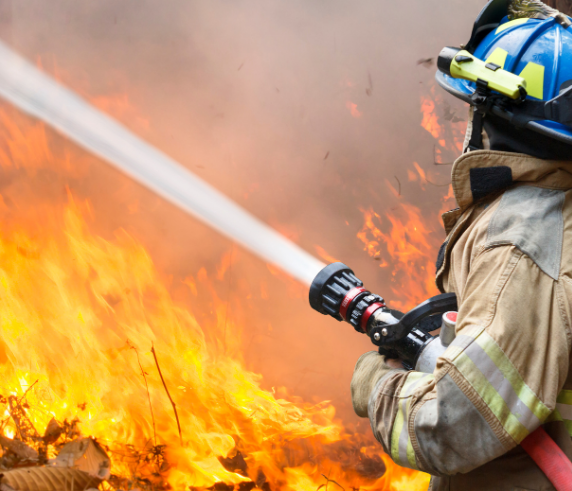
Radios or warden intercom phones are the next concern. significance of chief warden headgear Radio technique is a found out ability. Short transmissions, phone call signs instead of names, no overlap with emergency situation services networks, and a fallback if a device stops working. I have actually seen radio clutter thwart a drill much faster than any type of other factor. One person manages the network, recognizes reports, and routes website traffic. Every person else talks just when they have something product. If your structure utilizes a public address system, train a conventional tone of voice and a collection of plain language messages, then adjust as needed.
Many principal wardens lug a control panel or folder with floor plans, a list of wardens by zone, secrets or fobs for locked areas, a lantern, spare batteries, and an event log sheet. Maintain it light enough to utilize while standing. Overpacking is alluring and counterproductive. The most effective arrangements fit on a clipboard, et cetera remains at the control point.
Fire warden requirements that shock first timers
New wardens frequently expect smoke and flames. Actually, the most typical events you will certainly manage are alarm system activations with no visible fire, medical events, power disruptions, and human elements like jammed stairwells or blocked exit paths. Food preparation smoke from a kitchen space, aerosol near a detector, dirt from maintenance, a welder's job after hours, also insect ingress can set off detectors. The task is to treat every signal seriously while preventing panic.
Fire warden requirements in the work environment generally consist of being physically able to pass through stairways, a desire to attend training and drills, and schedule during core hours. If your roster leaves whole zones unmanned on Fridays, solution that at the planning stage. Include after hours insurance coverage if your building has considerable tenancy past company hours. Several primary wardens develop a little pool of trained back ups to cover leave and flexible work patterns, then evaluate them in drills.
The second surprise is how much the warden function converges with ease of access. Discharge chairs, lifting techniques, friend systems, and refuge locations need mindful preparation and practice. Never think a person's needs. Have confidential conversations prior to an incident, then document the predetermined method and test it in drills with level of sensitivity. For high structures, phase evacuation strategies, where some floorings hold while others move, place a costs on communication and patience.
Legal and standards context, without the jargon
The units PUAFER005 and PUAFER006 become part of a more comprehensive framework that anticipates workplaces to plan for and take care of foreseeable emergencies. Relying on your territory, Australian Specifications, developing codes, and work environment health and safety legislation established the standard. The specifics change with the building class and occupancy. What continues to be consistent is the demand to have an emergency plan, educate your emergency control organisation, and run workouts at practical intervals. Regulators and insurers seek records of training, attendance sheets for drills, and proof that you assessed lessons found out and made changes.
Fire warden training requirements are not box ticking. Quality auditors will ask what changed after the last drill and why. Did you change the assembly area after a road closure? Did you add a radio repeater after discovering a dead zone in the basement? Did you rotate wardens throughout zones so greater than someone recognizes each location? The responses tell them whether your emergency warden training is alive or stale.
Preparing for the program: functional steps
Turning up is not nearly enough. You will get much more from your warden course if you get here with context and a couple of specifics.
- Walk your area a couple of days ahead of time, note leaves, stairwells, doors on hold open, fire tools, and likely choke points. Look for blocked paths and record them. Read your emergency situation plan, a minimum of the components covering duties, signals, discharge courses, and the chain of command. Mark anything that is unclear. Ask HR or centers for a checklist of occupants who may require assistance. You do not need names if privacy is an issue, however you ought to know whether the threat exists in your zone. Check exactly how you will be called during a case. Verify radio allocation, batteries, and a backup if the very first strategy fails. Dress for motion. Closed footwear, pockets for a small notepad and pen, and a phone on quiet that you will certainly not inspect during useful sessions.
That brief prep work transforms the training course from abstract content right into a rehearsal for your real building.
Inside the evaluations: what "experienced" looks like
For PUAFER005, assessors want to see you can:
- Interpret alarm systems and signals and respond within site procedures. Sweep your location carefully, examine high threat rooms, close doors against smoke, and report your area clear without delay. Communicate plainly, usage call indicators, and stay clear of clogging the channel. Assist individuals with diverse requirements pleasantly and effectively. Follow directions from the chief warden and adjust if conditions change.
For PUAFER006, competence consists of:
- Establishing control quickly, verifying the nature of the occurrence, and deciding on evacuation or isolation based on offered information. Tasking wardens to details activities, prioritising life safety and security, and keeping an usual operating picture. Liaising with external -responders, providing succinct, precise details, and handing over control smoothly when appropriate. Managing the message occurrence stage: headcount settlement, event logging, and setting up debriefs with actionable outcomes.
These are visible practices. Trainers will certainly establish situations you can succeed in by applying the plan, not by presuming what the facilitator wishes to hear.
Common errors and how to avoid them
I have actually assessed loads of drills and a reasonable share of actual events. The very same errors reoccur. Radio babble intensifies as stress and anxiety rises. Wardens run as opposed to stroll and miss spaces. The chief warden tries to do a sweep themselves and loses the control factor. Setting up areas slip closer to the building gradually since it really feels hassle-free. Each has a fix.
Keep radio messages short. Never ever leave your zone till you hand it to an additional warden or the principal redirects you. The chief warden stays at the control factor unless the plan specifies or else. Safeguard setting up areas from drift by literally marking them and changing if site problems change. When you run a drill, aim for precision over speed initially. Rate follows after the team shows it can carry out the sequence without shortcuts.
Another refined mistake is treating all alarms the same. A clear understanding of the website's domino effect matrix assists. Warmth detectors in a plant area ought to trigger a different psychological model than a smoke detector in a restroom. Pre alarm or alert tones may call for examination, not discharge. Your emergency warden course need to educate this subtlety, then make you exercise it.

Integrating chief warden management with day-to-day operations
A strong chief warden sees training as part of the structure's everyday rhythm. That individual briefs brand-new wardens, schedules drills, and develops partnerships with tenants and building administration. They know when a construction project will alter egress routes and upgrade the strategy in advance. They coordinate with protection on after hours protection. When a renter generates a lab with new risks, they adjust the emergency control organisation framework accordingly. PUAFER006 lead an emergency control organisation is not simply a training course title, it is a task description.
Good chiefs additionally manage the human side. They recognise wardens that carry out well in drills, turn tasks to construct capability, and shield wardens from function tiredness. In huge offices, running a chief fire warden course for replacements and likely successors helps with continuity. You do not want your initial day as a chief to be the day the lifts fail and a smoke alarm goes off on level 17.
How typically to rejuvenate and what to practice
Competence discolors without use, and buildings modification. New in shape outs modify air flow. Renters shift headcounts. A well run program establishes a refresh cadence. For most office atmospheres, refresher course emergency warden training every 12 to 24 months, and discharge exercises warden management training at least annually, keeps abilities present. Include targeted workouts for situations likely in your center. If you have a childcare centre on website, run a drill that includes prams on staircases. If your warehouse has dangerous products, practice isolation and interaction around those risks. If your plant relies on generators, replicate a power failing and see just how the alarm behaves.
Include short, concentrated tool kit talks between official training. Five mins at the beginning of a month to remind wardens of radio decorum or to highlight an adjustment in door hardware goes a lengthy means. Record these mini sessions, not to tick boxes, yet to create a responses loophole that reveals the program is active.
Answering regular concerns without fluff
People inquire about the chief warden hat colour since they would like to know that to look for. As noted, most sites utilize white for the principal, yellow for replacement, red for wardens, green for first aid. If your site varies, document it in the strategy and show pictures throughout induction.
Another usual concern is whether a warden can utilize a fire extinguisher. The appropriate solution is yes, if trained and if it is risk-free to do so. The concern stays life security and interaction. The decision to extinguish a small incipient fire should not endanger discharge or place the warden in a placement they can not safely departure. Several suppliers consist of standard extinguisher usage in warden training or run it as a separate component. The mnemonic PASS is helpful, yet I prefer to see wardens exercise with non online units and really feel the weight and discharge time.
People also ask what happens if a warden is missing. The emergency situation control organisation should not fall down since a single person gets on leave. Cross training and a clear chain of sequence are part of chief warden responsibilities. Place it in creating, inform the group, and examination it.
Choosing a carrier and tailoring the course
Not all programs land the same way. A great supplier asks for your emergency plan and layout beforehand, talks with facilities or the structure supervisor, and adapts material to your risks. They run practical circumstances, not just common ones, and they supply a clear assessment process that maps to PUAFER005 and PUAFER006 outcomes. Search for fitness instructors who have actually taken care of genuine incidents in similar environments. They bring judgment and stories that stick. If you run a complex site, demand a go through before training, then arrange the functional sessions on your floorings instead of in a class much from your plant.
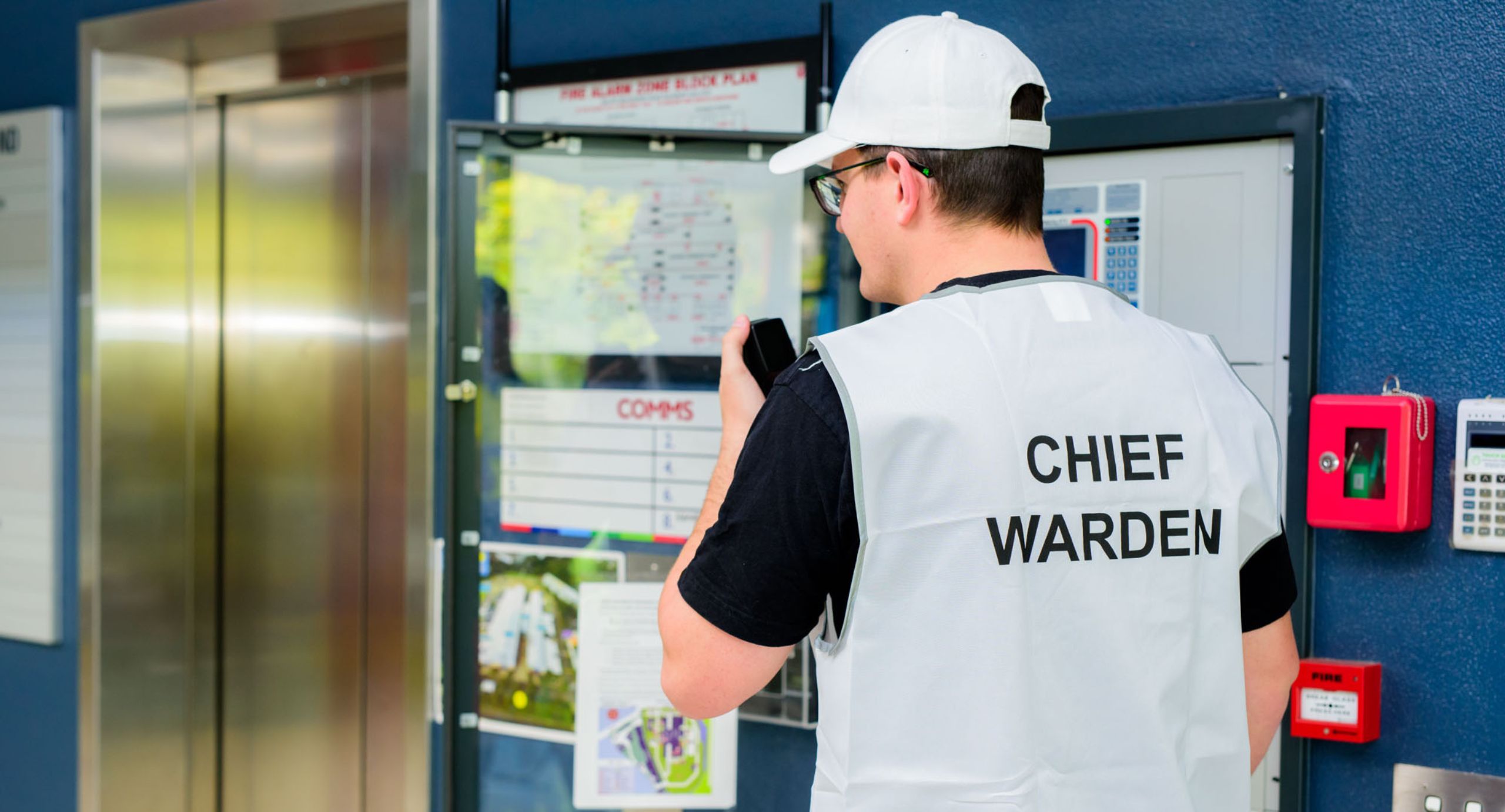
For mixed occupancy buildings, consider a combined method. Run a structure large drill once a year, then hold tenant particular sessions that resolve their formats and job patterns. See to it warden identifiers, radio networks, and assembly areas are consistent across lessees. If one firm utilizes different hat colours, align them or risk confusion when it matters most.
What changes after a solid program takes root
The initial sign is peaceful confidence. Wardens recognize where to stand, just how to speak, and what to examine. Drills run without drama, yet they feel purposeful. Renters see that the process is not theatre, and participation enhances. Maintenance demands shift: you get more records of blocked departures and defective door closers since people notification. The incident log shows less alarms caused by preventable behaviour, like cooking under detectors, because word travels.
You additionally see far better decisions during ambiguous events. A pale burning scent in an information room sets off a measured feedback: isolate power, investigate with two wardens, prepare to evacuate the flooring, alert the chief, and quick protection. No running, no rumours. When the fire brigade gets here, the chief warden hands over a concise recap: alarm system time, areas included, steps taken, headcount condition, and any missing individuals. The brigade's job gets much easier. Downtime drops.
That is the payback of regimented warden training. It is not almost passing an analysis. It has to do with shaping behaviour and constructing a culture where security is functional, not performative.
Final preparation list for training course day
Use this basic pre training course check to arrive all set and make the most of your session.
- Confirm your duty: warden or chief/deputy. If principal, checked out the PUAFER006 lead an emergency control organisation system describe your service provider supplies. Bring or gain access to your site's emergency situation strategy and an existing floor plan for your area. Mark evacuation courses and the assembly area. Test the radio you will utilize on the day or make certain one will be given. If making use of a warden intercom phone, understand where the phones are. Know that in your area may call for support and the agreed technique. If not sure, ask the chief warden prior to training. Clear your calendar for the complete period and orient your group that you will certainly be unavailable. Emergency situations do not stop for meetings.
Wardens that do the groundwork come to be the people others aim to when the room gets loud. Whether you are stepping into your very first warden course with PUAFER005 operate as part of an emergency control organisation, or preparing to take the chair with PUAFER006, the investment is modest and the impact is real. The day you need it, you will rejoice you educated, practiced, and discovered to lead.
Take your leadership in workplace safety to the next level with the nationally recognised PUAFER006 Chief Warden Training. Designed for Chief and Deputy Fire Wardens, this face-to-face 3-hour course teaches critical skills: coordinating evacuations, leading a warden team, making decisions under pressure, and liaising with emergency services. Course cost is generally AUD $130 per person for public sessions. Held in multiple locations including Brisbane CBD (Queen Street), North Hobart, Adelaide, and more across Queensland such as Gold Coast, Sunshine Coast, Toowoomba, Cairns, Ipswich, Logan, Chermside, etc.
If you’ve been appointed as a Chief or Deputy Fire Warden at your workplace, the PUAFER006 – Chief Warden Training is designed to give you the confidence and skills to take charge when it matters most. This nationally accredited course goes beyond the basics of emergency response, teaching you how to coordinate evacuations, lead and direct your warden team, make quick decisions under pressure, and effectively communicate with emergency services. Delivered face-to-face in just 3 hours, the training is practical, engaging, and focused on real-world workplace scenarios. You’ll walk away knowing exactly what to do when an emergency unfolds—and you’ll receive your certificate the same day you complete the course. With training available across Australia—including Brisbane CBD (Queen Street), North Hobart, Adelaide, Gold Coast, Sunshine Coast, Toowoomba, Cairns, Ipswich, Logan, Chermside and more—it’s easy to find a location near you. At just $130 per person, this course is an affordable way to make sure your workplace is compliant with safety requirements while also giving you peace of mind that you can step up and lead when it counts.